
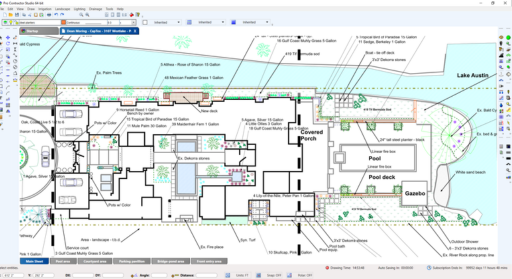
Managing landscaping projects requires more than skilled outdoor work. Contractors must coordinate crews, customer requests, schedules, materials, estimates, and project updates while keeping daily operations organized. Modern landscape contractor software provides a structured digital environment that helps businesses connect these activities and maintain better control over field service operations. By replacing scattered records with centralized information, contractors can improve visibility across projects and make routine decisions with greater confidence.
Centralized Project Information
Landscape businesses often handle several projects at different stages. Without a centralized system, important information can become difficult to locate. Digital software can bring customer profiles, service details, project notes, schedules, and job histories into one organized platform.
This centralized approach helps office teams and field workers access relevant information without relying heavily on paper records or disconnected files. Better information availability also supports consistent communication throughout the project lifecycle.
More Organized Scheduling
Scheduling is one of the most important operational activities for a landscape contractor. Crews may need to visit properties for installation, maintenance, irrigation work, seasonal services, or inspections. A digital scheduling system can make appointments easier to organize while providing a clearer view of upcoming responsibilities.
Managers can review assignments, identify scheduling conflicts, and communicate changes more efficiently. Field employees can also receive updated job information, helping them understand where they need to be and what tasks require attention.
Better Customer Communication
Customer communication plays an important role in building long-term relationships. Clients want clear information about service appointments, project progress, and completed work. Software can support communication by keeping customer information and service history accessible from a common location.
When staff can quickly review previous interactions and current job details, responses can become more consistent. This creates a more professional experience and helps customers feel that their projects are being managed carefully.
Improved Field Visibility
Landscape contractors spend much of their working time outside the office. This creates a need for tools that connect field activities with administrative operations. Mobile-friendly software can allow workers to review assignments, record updates, add notes, and communicate job information while working on site.
Improved field visibility can also help managers understand project progress without depending entirely on repeated phone calls. This creates a smoother connection between office personnel and field crews.
Streamlined Estimating and Job Tracking
Preparing accurate estimates requires organized information about services, materials, labor requirements, and project conditions. Digital tools can make estimating workflows more structured by keeping relevant details together.
Once a project begins, job tracking can provide a clearer record of completed activities and outstanding tasks. This helps contractors maintain consistency between what was planned and what is actually happening in the field.
Useful Operational Reporting
Reporting is valuable for understanding how a landscaping business performs over time. Software can organize operational information into accessible reports covering scheduling activity, customer history, job progress, and workforce responsibilities.
These insights can help managers identify recurring delays, busy service periods, communication gaps, and areas where processes could be improved. Instead of relying solely on assumptions, business leaders can use organized records to support operational decisions.
Supporting Business Growth
As a landscaping company develops, manual processes can become increasingly difficult to maintain. More customers, crews, properties, and service requests create additional administrative demands. A digital platform can provide a scalable structure for managing this complexity.
The goal is not simply to automate individual tasks. It is to create a connected workflow where scheduling, customer management, field operations, project tracking, and reporting support one another.
Conclusion
Effective landscape management depends on coordination, communication, and reliable information. Digital software can help contractors organize essential operations while improving visibility between office teams, field workers, and customers. With centralized records, structured scheduling, mobile access, project tracking, and reporting capabilities, landscaping businesses can create more efficient workflows. The result is a professional operational foundation that supports consistent service delivery and prepares the business for sustainable growth.
