
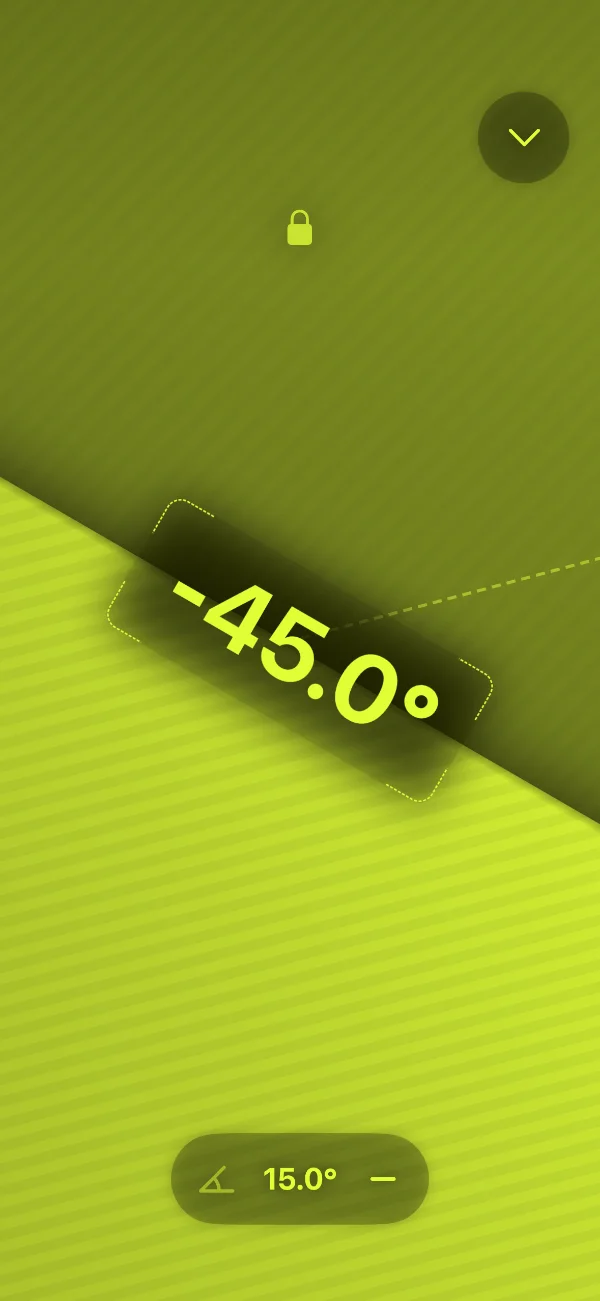
What makes a digital level useful for everyday projects?
Accurate leveling is important in many practical situations, from positioning furniture to checking construction surfaces. A modern Bubble Level App turns a smartphone into a convenient digital measuring tool, helping users evaluate angles, slopes, and alignment without carrying a traditional level. With responsive sensors and clear visual feedback, it offers a practical way to make measurements quickly while working at home, in a workshop, or on a job site.
How can a phone level support home improvement?
Home improvement projects often require accurate positioning. Picture frames, shelves, cabinets, tables, and other fixtures can look noticeably better when they are properly aligned. A digital level makes these checks straightforward by displaying the device’s orientation in an easy-to-understand format. Users can place their phone against a surface and immediately review whether it is level or tilted.
Which measurements can be useful beyond basic leveling?
A digital measuring tool can provide more than a simple level indication. Depending on the task, users may need degrees, percentage grade, roof pitch, or inches-per-foot measurements. These different formats make the tool adaptable to various projects. For example, slope measurements can help when evaluating ramps or inclined surfaces, while angle readings can be useful for carpentry and alignment work.
Can it help with DIY and carpentry projects?
Yes. Precision is valuable when cutting, installing, assembling, or positioning materials. A responsive digital level can help users check angles during woodworking and DIY activities, making it easier to maintain consistency throughout a project. Instead of repeatedly estimating an angle visually, users can rely on a clear measurement to guide their work.
Why is sensor responsiveness important?
A useful digital level depends heavily on how quickly and clearly it responds to movement. Responsive sensor technology allows measurements to update as the phone changes position. This makes it easier to find the correct alignment and reduces uncertainty when making fine adjustments. Clear visual guidance can further improve usability, particularly when measurements need to be checked repeatedly.
Where can a digital level provide practical value?
Its flexibility makes it suitable for a wide range of environments. Homeowners can use it for decorating and furniture alignment, while DIY enthusiasts may find it helpful for woodworking and renovation projects. Construction-related tasks can also benefit from quick angle and slope checks. The ability to carry the measuring function on a smartphone adds convenience without requiring a separate dedicated tool for every basic measurement.
What makes this approach convenient?
Portability is one of the strongest advantages. A smartphone is already an everyday device for most people, so having a leveling function available on it can make measurement tasks faster and more accessible. Visual displays also help users understand measurements immediately, supporting confident decisions while working.
Conclusion
Digital leveling brings practical measurement capabilities into an accessible smartphone format. With angle readings, slope options, responsive sensors, and clear visual guidance, it can support decorating, carpentry, construction checks, and everyday DIY activities. For users who value convenient and precise measurements, a phone-based level offers a versatile way to approach alignment tasks with greater confidence and efficiency.
